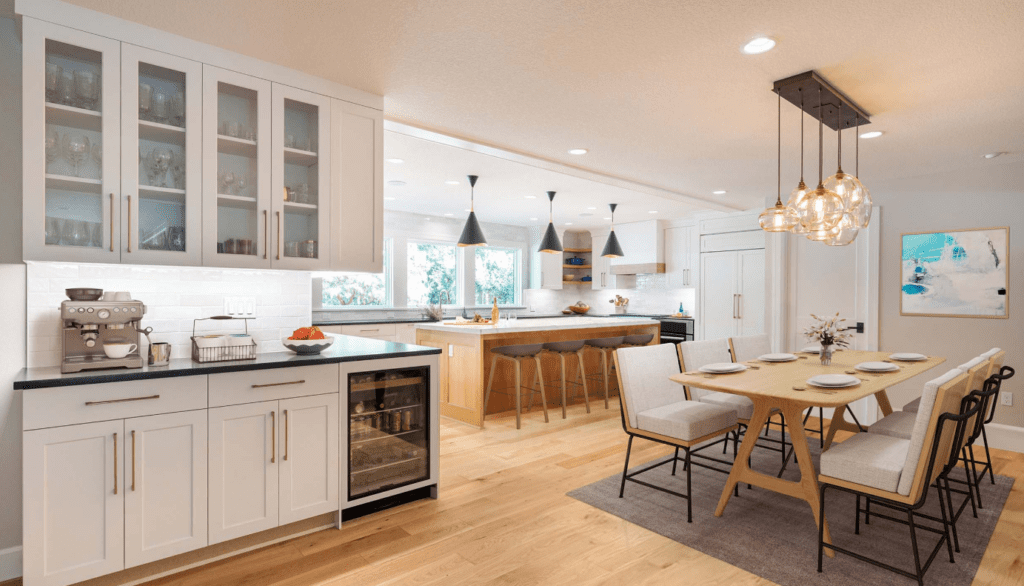
Renovating a home is both an exciting and serious financial decision. For many homeowners across the United States, renovation is not just about improving appearance—it’s about increasing comfort, functionality, safety, and long-term value. Whether the goal is to modernize an outdated space or prepare a property for resale, understanding renovation costs before starting is essential.
Home renovation expenses vary widely depending on location, scope of work, materials, and labor. This article provides a clear, professional overview of what homeowners can realistically expect when planning a renovation project in the U.S.
🔨 What Determines the Cost of a Home Renovation?
No two renovation projects are the same. Costs depend on several key factors, and understanding them early can prevent budget surprises later.
📍 Location
Labor rates and permit fees differ from state to state and even city to city. Urban areas and coastal states often have higher renovation costs due to labor demand and stricter building regulations.
🏗️ Scope of Work
A cosmetic update costs far less than a structural renovation. Projects involving plumbing, electrical systems, or layout changes typically require more time, skilled labor, and permits.
🧱 Materials
Material selection has a major impact on the final budget. Standard finishes are cost-effective, while custom or premium materials increase expenses significantly.
👷 Labor
Professional labor usually accounts for the largest portion of renovation costs. Licensed and experienced contractors charge more, but they reduce risks related to safety, compliance, and workmanship.
💰 Average Home Renovation Costs
Across the United States, most homeowners spend anywhere from $20,000 to $75,000 on renovation projects. Larger homes or high-end renovations can exceed $150,000, especially when multiple rooms are involved.
Renovation costs are often calculated per square foot:
- Basic updates: lower cost range
- Mid-level renovations: moderate cost range
- High-end renovations: premium cost range
The more customized the work, the higher the overall cost.
🍳 Kitchen Renovation Costs
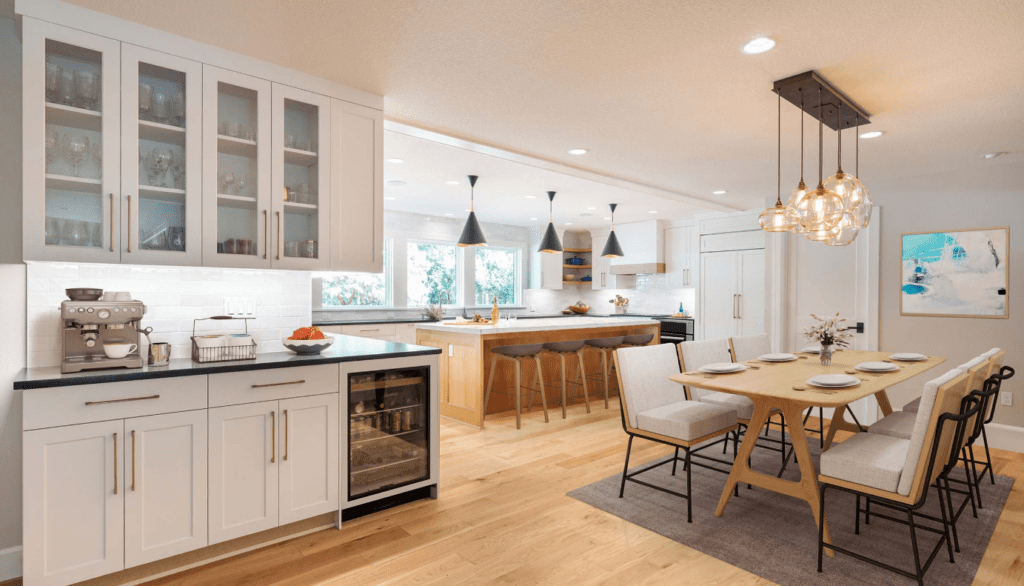
The kitchen is often considered the heart of the home—and one of the most expensive rooms to renovate.
Kitchen renovation costs typically include:
- Cabinets and storage
- Countertops
- Appliances
- Flooring
- Lighting and electrical updates
- Plumbing adjustments
A modest kitchen update can be completed at a reasonable cost, while a full renovation with custom cabinetry and modern appliances can require a much larger budget. Despite the expense, kitchen renovations often provide strong long-term value.
🚿 Bathroom Renovation Costs
Bathrooms are smaller spaces, but they require specialized work that can drive up costs.
Typical bathroom renovation expenses include:
- Plumbing upgrades
- Waterproofing
- Tiling
- Fixtures and fittings
- Ventilation
Luxury features such as walk-in showers, heated floors, or custom tile designs can significantly increase the budget. However, even modest updates can greatly improve comfort and functionality.
🛋️ Living Areas and Bedrooms
Renovating living rooms and bedrooms is generally more affordable compared to kitchens and bathrooms.
Common updates include:
- Flooring replacement
- Wall finishes and painting
- Lighting improvements
- Built-in storage
These renovations are ideal for homeowners looking to refresh their space without major structural changes.
🧱 Basement Renovation and Finishing
Basement renovations offer valuable additional living space but often involve hidden challenges.
Costs may include:
- Moisture control and waterproofing
- Insulation
- Electrical and plumbing work
- Ceiling and flooring installation
- Emergency exits and safety upgrades
Finished basements can be used as family rooms, home offices, or guest spaces, making them a popular renovation choice for growing households.
🏠 Whole-Home Renovations
A full home renovation is a major undertaking that requires detailed planning and professional management.
Whole-home renovations often involve:
- Structural changes
- System upgrades (plumbing, electrical, HVAC)
- Roofing or exterior updates
- Interior redesign
These projects may require temporary relocation and careful coordination between multiple contractors.
🧾 Permits and Inspections
Many renovation projects require permits to comply with local building codes. Permits ensure work is completed safely and legally.
Permit-related costs can include:
- Application fees
- Inspection charges
- Plan reviews
Skipping permits can result in fines, delays, and complications when selling the home. Professional contractors typically handle this process on behalf of the homeowner.
⚠️ Hidden Costs to Watch For
Unexpected expenses are common in renovation projects, especially in older homes.
Potential hidden costs include:
- Structural damage discovered during demolition
- Outdated wiring or plumbing
- Mold or hazardous materials
- Material price increases
- Temporary housing costs
Setting aside a contingency budget helps protect against financial stress during the renovation process.
💡 Ways to Manage Renovation Costs
Careful planning can help homeowners stay within budget while still achieving great results.
Practical cost-management strategies:
- Finalize designs before construction begins
- Avoid frequent changes once work starts
- Compare multiple contractor estimates
- Choose durable, mid-range materials
- Schedule renovations during off-peak seasons
Clear communication with contractors is one of the most effective ways to control costs.
🏦 Financing a Renovation
Many homeowners choose financing options to manage renovation expenses. Common approaches include:
- Home equity loans
- Home equity lines of credit
- Refinancing options
- Personal loans
- Contractor payment plans
Each option has different terms and risks, so financial planning is essential before committing.
📈 Long-Term Value of Renovation
Not all renovations provide the same return. Projects that improve functionality, efficiency, and safety tend to offer the strongest long-term benefits.
Renovations that often add value:
- Kitchen and bathroom updates
- Energy-efficient improvements
- Exterior upgrades
- Additional living space
Well-planned renovations enhance daily living while strengthening resale potential.
🛑 Common Renovation Mistakes
Even experienced homeowners can make costly mistakes.
Mistakes to avoid:
- Underestimating the budget
- Hiring unlicensed contractors
- Ignoring permits and regulations
- Choosing style over quality
- Rushing the planning phase
Avoiding these pitfalls leads to smoother projects and better outcomes.
✅ Final Thoughts
Home renovation is a powerful way to improve comfort, functionality, and value. While costs can be significant, thoughtful planning and professional execution make a substantial difference. Understanding where money is typically spent—and where surprises may arise—helps homeowners make informed decisions and approach renovation with confidence.
A successful renovation is not just about transformation, but about building a home that supports long-term living, efficiency, and peace of mind 🏡✨