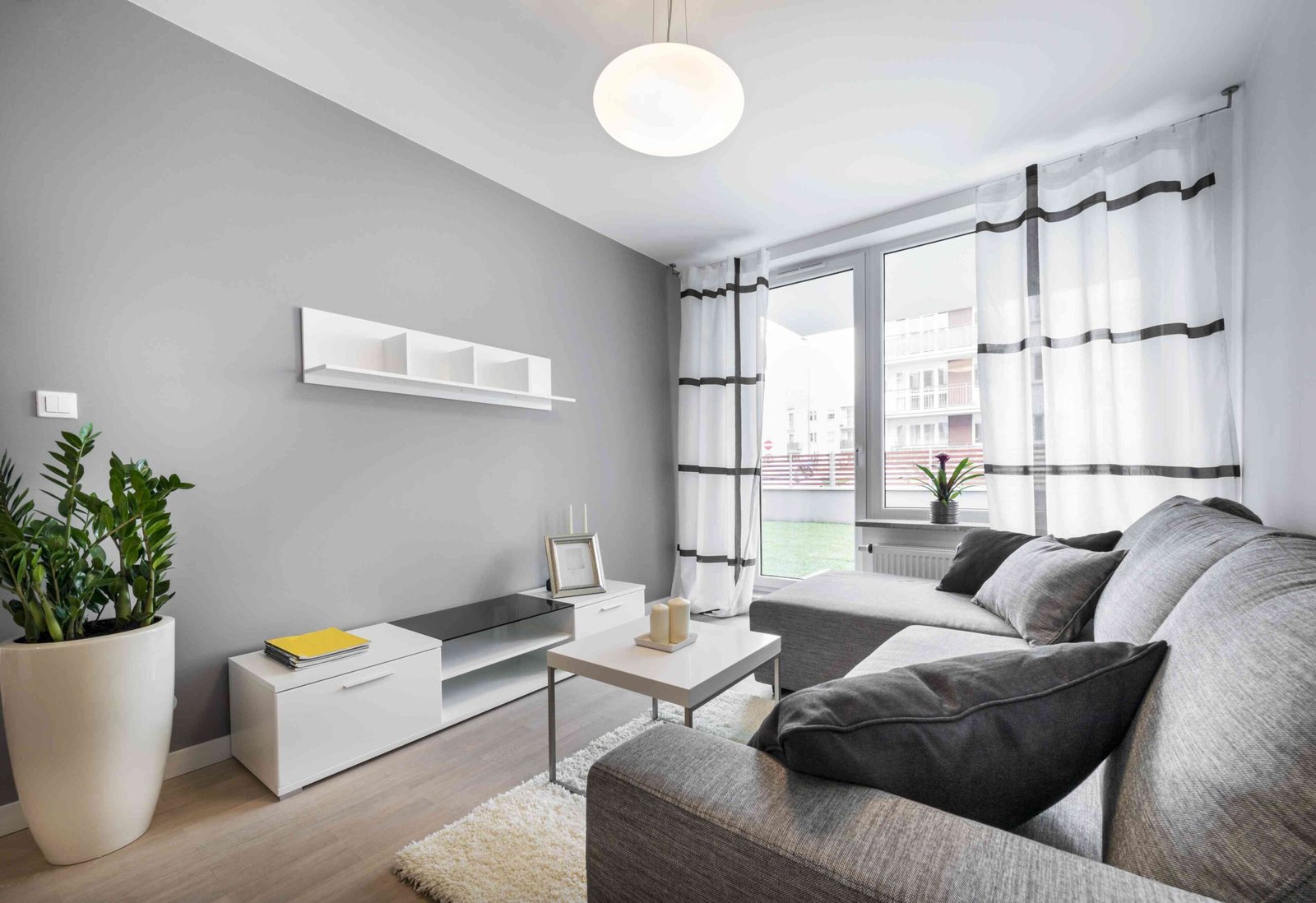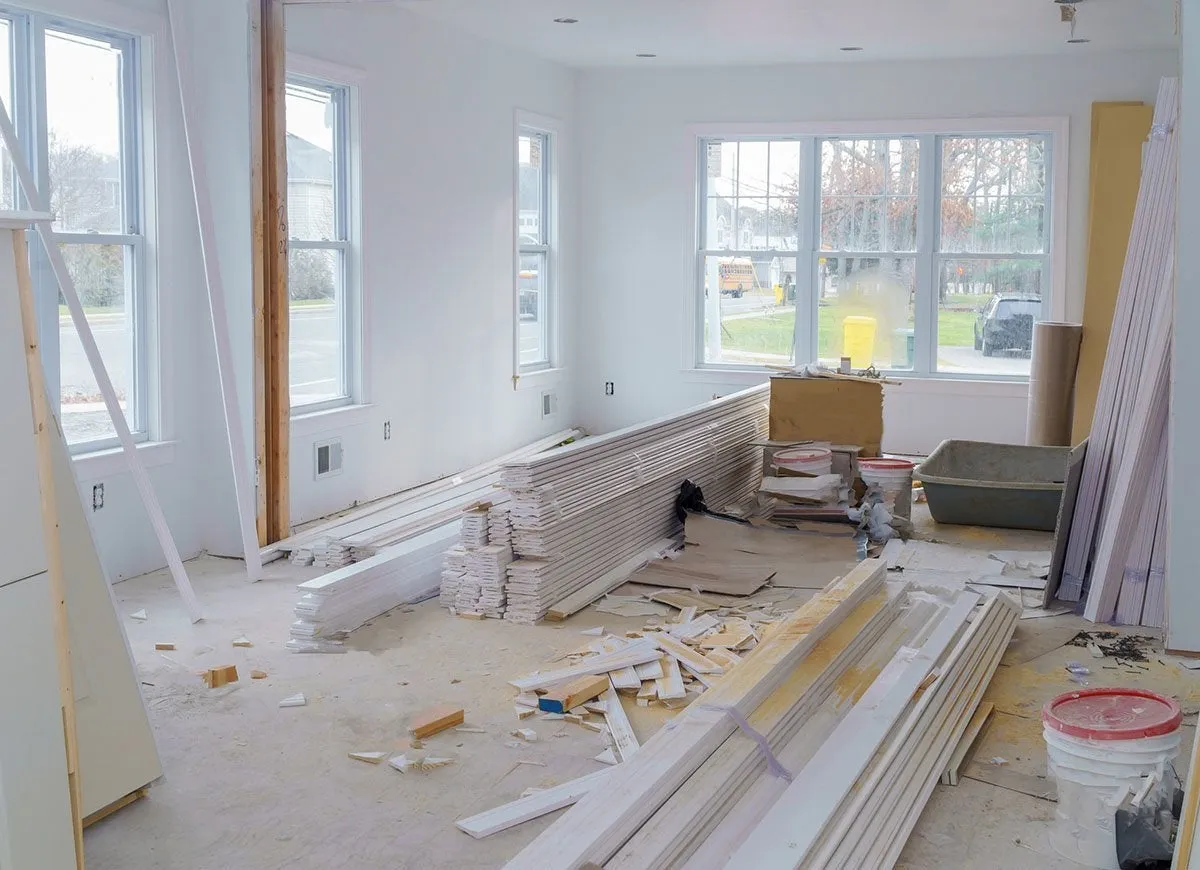
Basements are often one of the most underused areas in a home. With thoughtful planning and proper execution, a basement can be transformed into valuable living space that enhances comfort, functionality, and long-term enjoyment. Whether the goal is to create a family room, home office, guest suite, or recreational area, a well-designed basement renovation can dramatically change how a home is used.
🧠 Defining the Purpose of the Basement
The first step in a successful basement renovation is deciding how the space will be used. A clear purpose guides layout decisions, infrastructure upgrades, and design choices.
Common basement uses include:
- Family or entertainment room
- Home office or study area
- Guest bedroom
- Fitness or hobby space
- Storage with improved organization
Understanding the intended use helps ensure the renovation meets real needs rather than just adding unused square footage.
💧 Moisture Control and Waterproofing
Moisture management is one of the most critical aspects of basement renovation. Because basements are below ground level, they are more vulnerable to water intrusion and humidity.
Effective moisture control strategies include:
- Sealing foundation walls
- Installing proper drainage systems
- Using moisture-resistant materials
- Improving exterior grading around the home
Ignoring moisture issues can lead to mold growth, material damage, and long-term health concerns.
🌡️ Insulation and Temperature Regulation
Basements tend to be cooler than upper levels, making insulation essential for comfort and energy efficiency.
Key insulation considerations:
- Wall and ceiling insulation
- Floor insulation for warmth
- Vapor barriers
- Sound insulation between floors
Proper insulation helps regulate temperature, reduce energy costs, and improve acoustic comfort.
⚡ Electrical and Lighting Planning
Basements often lack natural light, making lighting design especially important.
Effective lighting strategies include:
- Bright general lighting
- Task lighting for work areas
- Accent lighting for atmosphere
Electrical planning should account for future needs, such as home offices, entertainment systems, or fitness equipment. All electrical work should meet safety standards and local regulations.
🚿 Plumbing Considerations
Adding plumbing expands the functionality of a basement but increases project complexity.
Common plumbing additions:
- Bathrooms
- Wet bars
- Laundry areas
- Utility sinks
Because basements are below main sewer lines, specialized systems may be required. Professional installation ensures reliable operation and code compliance.
🚪 Safety, Access, and Egress
Safety is a major concern in basement renovations, particularly when adding sleeping areas.
Key safety features include:
- Proper emergency exits
- Smoke and carbon monoxide detectors
- Safe stair access
- Adequate ceiling height
Meeting safety requirements protects occupants and ensures the space is legally usable.
🧱 Walls, Flooring, and Finishes
Basement materials must be durable and moisture-resistant.
Important considerations:
- Wall systems that allow airflow
- Flooring materials designed for below-grade use
- Mold-resistant finishes
Comfort underfoot and ease of maintenance should guide material selection.
🛋️ Designing for Comfort and Function
A finished basement should feel like a natural extension of the home, not an afterthought.
Design tips include:
- Clear zoning for different activities
- Thoughtful furniture placement
- Built-in storage solutions
- Balanced lighting and color choices
Good design enhances usability and makes the space inviting.
🧾 Permits and Inspections
Basement renovations often require permits, especially when adding electrical, plumbing, or structural elements.
Permits ensure:
- Compliance with safety codes
- Proper inspections
- Legal recognition of living space
Working with licensed professionals simplifies the permitting process.
⚠️ Hidden Challenges in Basement Renovations
Basements can conceal issues that only become visible once construction begins.
Common challenges include:
- Foundation cracks
- Inadequate ceiling height
- Old wiring or plumbing
- Uneven floors
Planning for unexpected repairs reduces stress and delays.
💰 Budget Planning and Cost Awareness
Basement renovation costs vary widely depending on size and complexity.
Budgeting tips:
- Define priorities early
- Allocate funds for moisture control
- Include a contingency reserve
- Avoid unnecessary layout changes
A realistic budget helps keep the project on track.
⏳ Renovation Timeline Expectations
Basement renovations typically take several weeks to a few months.
General phases include:
- Planning and design
- Structural and moisture work
- Electrical and plumbing installation
- Finishing and inspections
Clear scheduling helps manage expectations and minimize disruption.
📈 Long-Term Benefits of Basement Renovation
A well-finished basement adds flexibility and comfort to a home.
Long-term benefits include:
- Increased usable space
- Improved organization
- Enhanced lifestyle options
- Greater appeal for future buyers
Basements designed for durability and comfort offer lasting value.
🚫 Common Mistakes to Avoid
Avoid these common pitfalls:
- Ignoring moisture issues
- Poor lighting design
- Inadequate insulation
- Skipping safety requirements
- Rushing the planning phase
Attention to detail makes the difference between a successful renovation and ongoing problems.