A whole-home renovation is one of the most ambitious projects a homeowner can undertake. Unlike room-by-room updates, this type of renovation affects every part of the house and requires careful coordination, thoughtful planning, and realistic expectations. When done well, it can transform an outdated or inefficient home into a space that truly supports modern living.

🧠 Understanding the Scope of a Whole-Home Renovation
The first step is clearly defining what “whole-home renovation” means for your situation. Some projects focus on cosmetic upgrades throughout the house, while others involve major structural changes and system replacements.
Common elements include:
- Updating layouts and room flow
- Replacing plumbing, electrical, and HVAC systems
- Improving insulation and energy efficiency
- Modernizing finishes and fixtures
- Addressing long-standing maintenance issues
Clarity at this stage prevents confusion and costly changes later.
📐 Evaluating the Existing Home
Before design decisions are made, the current condition of the home must be carefully evaluated.
Key areas to assess:
- Structural integrity
- Electrical and plumbing systems
- Roof and exterior
- Insulation and ventilation
- Windows and doors
Professional assessments help identify hidden issues that could affect both safety and budget.
🧩 Designing for Function and Flow
One of the greatest advantages of a whole-home renovation is the opportunity to improve how spaces connect and function together.
Design considerations include:
- Open versus defined spaces
- Natural light flow
- Storage distribution
- Traffic patterns
- Privacy and noise control
A cohesive design ensures that the home feels balanced and intentional rather than pieced together.
⚡ Upgrading Core Systems
Whole-home renovations often include major system upgrades, especially in older homes.
Electrical Systems
- Updated wiring
- Increased capacity
- Modern safety features
Plumbing Systems
- Replacement of aging pipes
- Improved water pressure
- Updated drainage systems
Heating and Cooling
- Energy-efficient equipment
- Improved air distribution
- Better temperature control
System upgrades improve comfort, safety, and long-term reliability.
🌡️ Improving Energy Efficiency
Energy efficiency is a key focus in many whole-home renovations.
Improvements may include:
- Enhanced insulation
- High-performance windows
- Air sealing
- Efficient lighting
- Smart home controls
These upgrades reduce energy costs while improving indoor comfort year-round.
🧱 Materials and Finishes
Consistency in materials and finishes creates a unified look throughout the home.
Important considerations:
- Durability
- Maintenance requirements
- Compatibility across rooms
- Timeless design choices
Selecting finishes early helps avoid delays and mismatched results.
🚪 Living in the Home During Renovation
One of the biggest challenges of a whole-home renovation is deciding whether to remain in the house during construction.
Factors to consider:
- Project length
- Safety concerns
- Noise and dust
- Access to essential rooms
In some cases, temporary relocation reduces stress and speeds up progress.
🧾 Permits, Inspections, and Compliance
Whole-home renovations almost always require permits and inspections.
Permits ensure:
- Structural safety
- Code compliance
- Legal recognition of improvements
Experienced professionals manage these processes to prevent delays and legal issues.
💰 Budget Planning and Financial Control
Whole-home renovations require disciplined budgeting and ongoing oversight.
Budget planning tips:
- Set clear priorities
- Include contingency funds
- Track spending regularly
- Avoid frequent design changes
Transparency and communication help maintain financial control.
⏳ Timeline Expectations
Whole-home renovations often take several months, depending on scope and complexity.
Typical phases:
- Planning and design
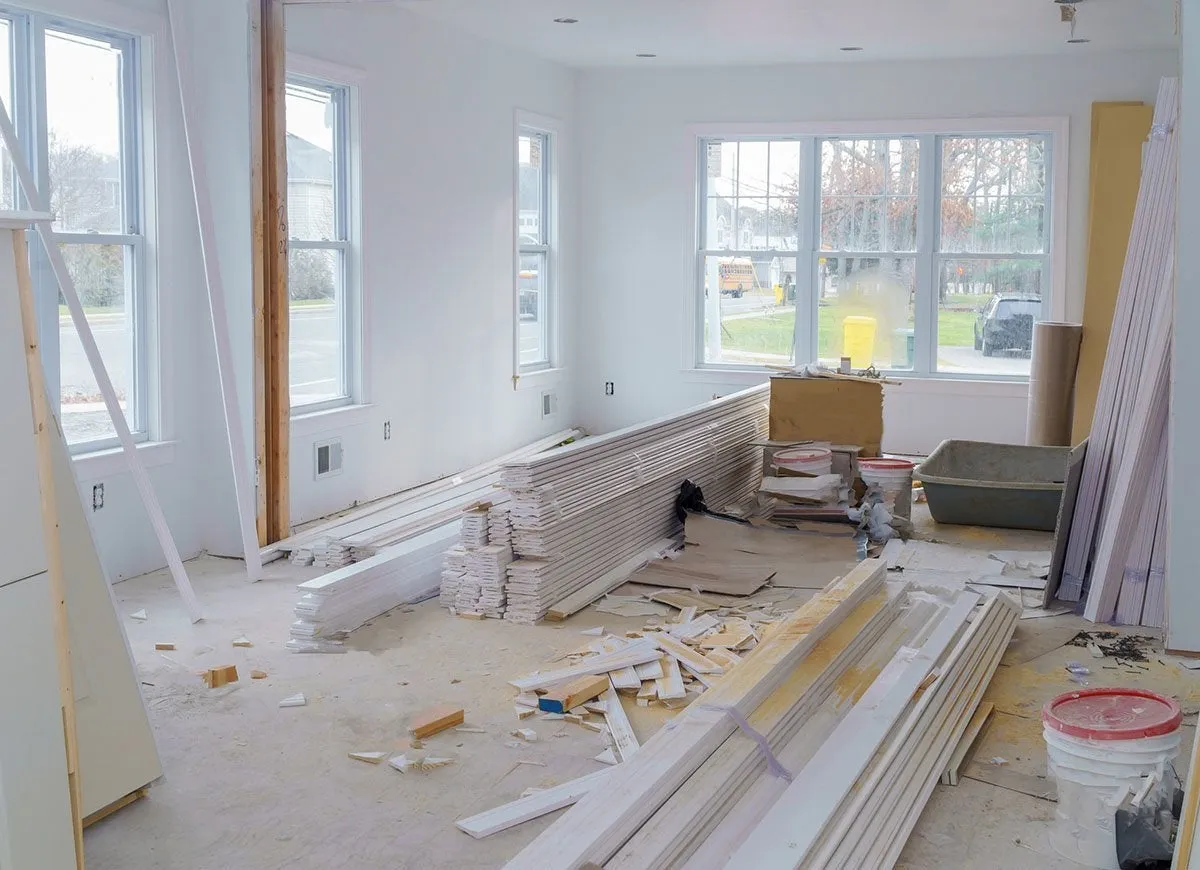
- Demolition
- Structural work
- System installation
- Interior finishing
- Final inspections
Patience is essential, as quality work takes time.
⚠️ Managing Unexpected Challenges
Even well-planned projects encounter surprises.
Common challenges include:
- Hidden structural damage
- Outdated systems
- Material delays
- Weather-related interruptions
Flexibility and problem-solving are key to keeping the project moving forward.
📈 Long-Term Benefits of a Whole-Home Renovation
A successful whole-home renovation delivers benefits that go far beyond appearance.
Long-term advantages include:
- Improved daily comfort
- Better energy efficiency
- Reduced maintenance needs
- Increased home longevity
- Strong appeal for future resale
A thoughtfully renovated home adapts more easily to changing needs over time.
🚫 Common Mistakes to Avoid
Avoid these common pitfalls:
- Rushing the planning stage
- Underestimating the budget
- Hiring unqualified professionals
- Ignoring system upgrades
- Focusing only on appearance
Strong planning and professional guidance reduce these risks.